Follow #GEODRYTECH


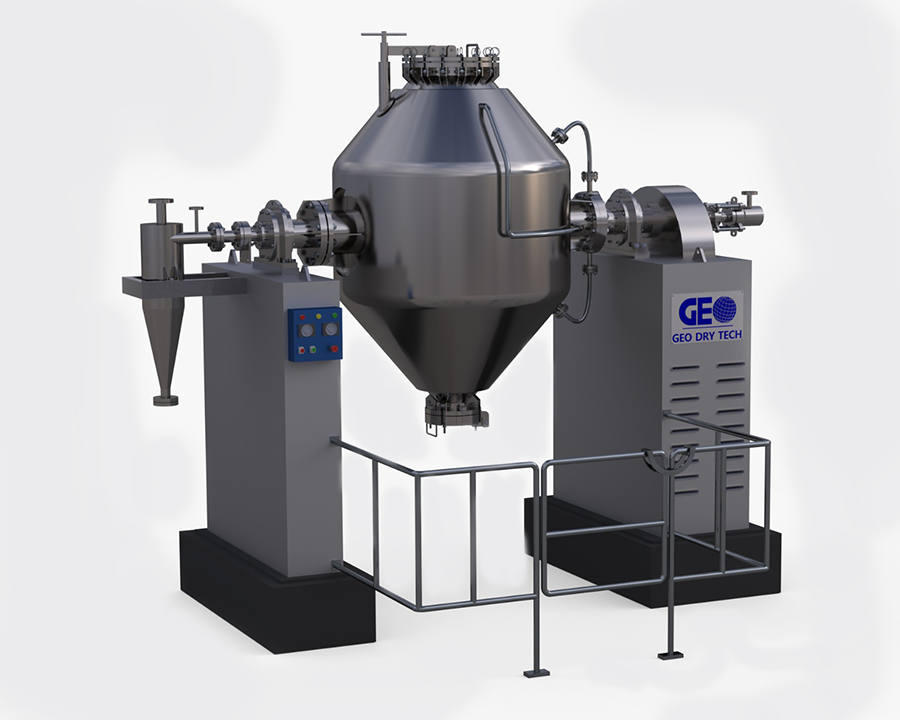
Rotary Cone Vacuum Dryers (RCVD) are engineered to gently control and efficiently dry powders, granules, crystals and other heat-sensitive materials. The equipment is especially well suited to products where high levels of purity, uniform moisture content and product quality are necessary during the drying process.
Good heat transfer and thorough mixing throughout the batch are achieved by the rotating cone design. It also decreases drying time, prevents overheating, and facilitates easy discharge of dried material. The heating medium for the dryer is either steam or hot water, or thermal fluid, depending on the process. The closed vacuum system also works well with drying materials that have solvents or are heat-sensitive.
Geo Drytech RCVD systems apply to batch drying processes in speciality chemical, pharmaceutical, chemical and food industries, etc. Considering the material, moisture requirement, batch size, temperature, vacuum requirement and production requirements, the equipment is designed to provide a reliable solution for efficient vacuum drying.
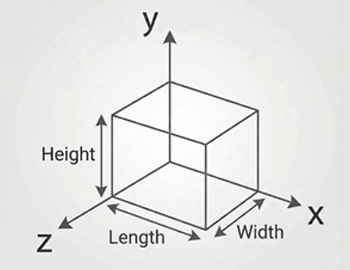
| Model No. |
Total Volume (Lits) |
Working Volume (Lits) |
Overall Dimensions | Power (H.P.) |
||
|---|---|---|---|---|---|---|
| L (mm) | W (mm) | H (mm) | ||||
| GEO-RCVD-1 | 100 | 60 | 2600 | 1800 | 2200 | 2 |
| GEO-RCVD-2 | 200 | 120 | 2800 | 2000 | 2400 | 3 |
| GEO-RCVD-5 | 500 | 300 | 3400 | 2200 | 2600 | 3 |
| GEO-RCVD-10 | 1000 | 600 | 4000 | 2400 | 3000 | 5 |
| GEO-RCVD-20 | 2000 | 1000 | 4400 | 2500 | 3200 | 7.5 |
| GEO-RCVD-30 | 3000 | 1500 | 4800 | 2600 | 3300 | 10 |
| GEO-RCVD-40 | 4000 | 2000 | 4900 | 2800 | 3500 | 12.5 |
| Model No. |
Total Volume (Lits) |
Working Volume (Lits) |
Overall Dimensions | Power (H.P.) |
||
|---|---|---|---|---|---|---|
| L (mm) | W (mm) | H (mm) | ||||
| GEO-RCVD-50 | 5000 | 2500 | 5000 | 3000 | 3600 | 15 |
| GEO-RCVD-60 | 6000 | 3000 | 5200 | 3200 | 3700 | 15 |
| GEO-RCVD-80 | 8000 | 4000 | 5500 | 3500 | 4000 | 20 |

RCVD is a process that removes moisture and solvents at a lower temperature under a vacuum. This is especially suitable for heat-sensitive materials and useful to ensure the products have the required properties during drying.

The material is continuously moved and mixed in the rotating conical vessel, which results in uniform exposure of the heated surface. This aids in maintaining uniform moisture content in the batch and minimises the possibility of under-dried or over-dried material.

The controlled rotational movement provides gentle mixing without excessive mechanical stress. It can be beneficial if particle quality is critical, such as powders, crystals, granules, and other materials.

The surface of the vessel is heated and the heat is transferred directly and controlled to the product. The constant motion of the material will enhance heat distribution and facilitate efficient moisture or solvent removal.

The enclosed drying chamber allows for controlled processing and reduces dust, moisture and solvent vapour emissions to the environment. It can be used in processes with a contained drying system.

The conical shape of the vessel ensures smooth product discharge and minimises product hold-up. The equipment can also be developed for easy cleaning and maintenance between batches.

Geo Drytech RCVD systems can be tailored to the requirements of the material, batch size, heating medium, operating temperature, vacuum level, and specific process needs. They are applicable in many pharmaceutical, chemical, speciality chemical, food and other industrial applications.

Drying APIs, pharmaceutical intermediates, wet powders, crystals and other temperature-sensitive products. With vacuum drying, the desired moisture content can be attained without a loss in quality and uniformity.
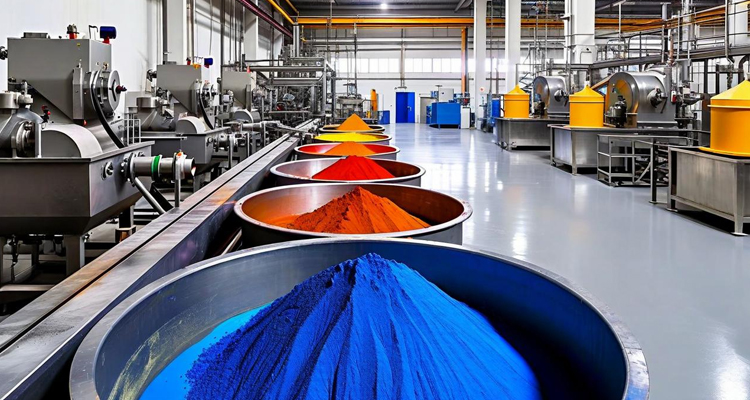
For drying dyes, pigments and dye intermediates at controlled temperature, which needs uniform drying. A rotating vessel promotes uniform heating during the batch.
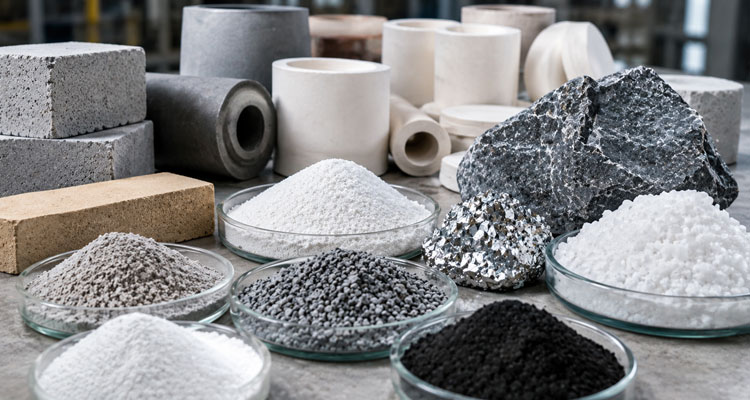
For drying inorganic salts, compounds, crystals, etc., having moisture/solvents. Efficient drying and minimised overheating in the drying process is achieved under vacuum conditions.
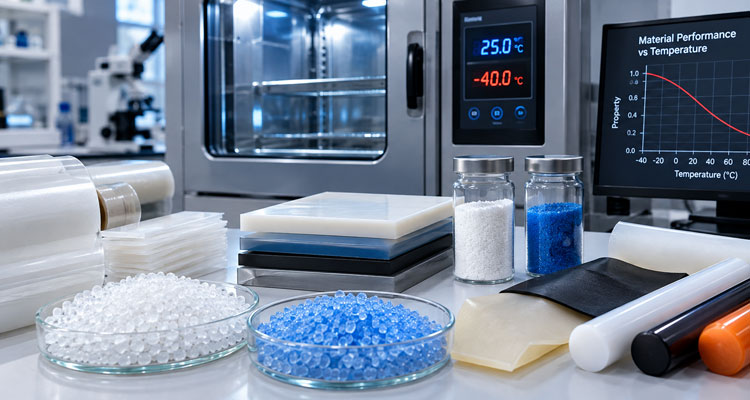
Suitable for those materials which can be influenced by high temperature during the normal drying process. Moisture or solvents can be removed at relatively low temperatures in a vacuum system.

Drying of plastic powders, plastics, polymers, resins and moisture-sensitive materials is suitable. A uniform mixing and controlled heat transfer enable uniform drying results within the batch.
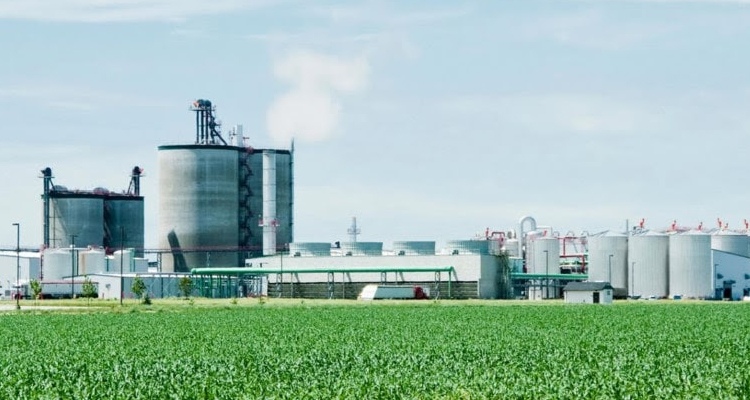
Agrochemical intermediates, active ingredients, powders and related products are dried using it. The enclosed drying system allows for effective moisture or solvent removal and controlled drying.
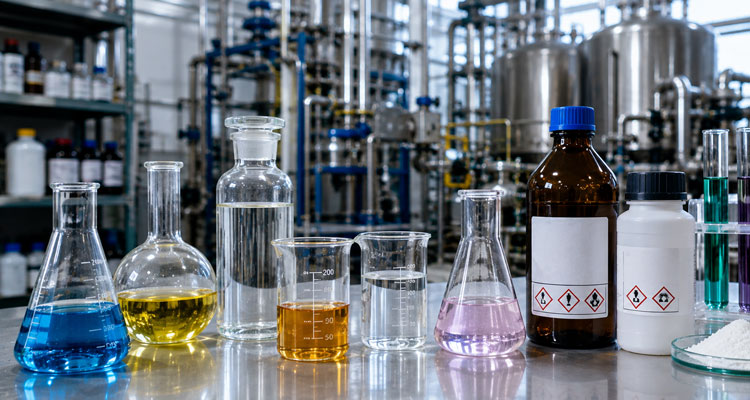
Organic compounds, chemical intermediates, solvent-containing materials. Vacuum drying is a way to efficiently remove solvents or moisture and also offers more control of temperatures and drying conditions.
It can be used in the drying of APIs, pharmaceutical intermediates, wet powder, crystals, and other pharmaceutical products that need to be dried in a controlled and uniform manner at low temperatures. The vacuum environment is used to remove moisture or solvents and prevents heat-sensitive materials from being damaged.
Can be used for drying organic chemicals, inorganic chemicals, salts, and chemical intermediates. The moisture content is controlled by a heating system and is held to a desired level throughout the batch by mixing.
Distilling under vacuum to remove any residual solvents from pharmaceutical/chemical products. Low operating temperature reduces thermal exposure and facilitates effective solvent extraction from the processed material.
Used for uniform drying of dyes, pigments, and dye intermediates where controlled temperature and consistent moisture content are important. The constant rotation provides improved mixing and even heat distribution in the batch.
Appropriate for materials that can be degraded, discoloured, or lose physical and chemical properties at high temperatures. The drying takes place at a relatively lower temperature when using the vacuum dryer.
Drying of plastic powders, polymers, resins and similar products of plastic components from moisture and residual solvents before additional processing. The uniform mixing ensures uniform drying and facilitates the next manufacturing steps.
Submitted applications for agrochemical intermediate products, active ingredients, agrochemical formulations and other moisture-sensitive products. Under controlled dry conditions, it is possible to obtain the desired moisture content and also ensure product quality and consistency.
Drying high-value powders, crystals and intermediates in fine chemical manufacturing. Controlled vacuum and heating ensure uniform drying performance and enable the process to be optimised for the particular materials.
Controlled and slow rolling of the conical vessel provides gentler handling of the product with less mechanical action‚ keeping the physical nature of powders‚ crystals and granules of the product․
The closed vacuum drying system provides a means for removing the solvent for recovery via a suitable recovery system‚ resulting in a decrease in losses of raw materials‚ solvent and improved drying efficiency․
The use of a vacuum reduces the boiling point of moisture and solvents‚ allowing substrate drying under relatively low temperatures‚ making RCVD suitable for temperature-sensitive substrates and minimising the risk of thermal degradation․
The conical design encourages the smooth flow of dried material towards the discharge point‚ minimising hold-up in the unit․ Conical designs are also simple shapes‚ easing cleaning‚ inspection‚ and maintenance of the unit․
The dryer does not require internal scrapers‚ ploughs‚ scoops‚ or similar devices to move the product‚ allowing the process to occur with less chance of build-up on the dryer walls and around moving parts․
The product is insulated from direct contact with the heating medium by the vessel wall and the heating jacket‚ thereby preventing the heat-transfer fluid from contaminating or coming into contact with the product‚ especially during drying․
The heating jacket is closed‚ so the heat transfer medium does not leak into the product chamber‚ and heat is transferred safely and in a controlled manner throughout the entire drying process․
